Filter and sort
24 products
- Bestseller
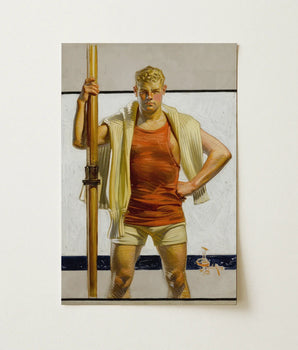 Oarsman - J.C. Leyendecker Art Print From $20USD /🛎️ Made-to-order🏳️🌈 Queer business🌳 Plants a tree❤️ Satisfaction guaranteed
 - Bestseller
 Football Player - J.C. Leyendecker Art Print From $25USD /🛎️ Made-to-order🏳️🌈 Queer business🌳 Plants a tree❤️ Satisfaction guaranteed
Automatic Discount Magic
Any 2 = 10% off • Any 3 = 15% off • Any 5 = 20% off •
- New Arrival
 Thanksgiving (1928) - J.C. Leyendecker Art Print From $25USD /🛎️ Made-to-order🏳️🌈 Queer business🌳 Plants a tree❤️ Satisfaction guaranteed
 - New Arrival
 The Blacksmith (1922) - Frank Leyendecker Art Print From $25USD /🛎️ Made-to-order🏳️🌈 Queer business🌳 Plants a tree❤️ Satisfaction guaranteed
 - New Arrival
 Man Reading in Circle, Arrow Collar Ad (1916) - J.C. Leyendecker Art Print From $30USD /🛎️ Made-to-order🏳️🌈 Queer business🌳 Plants a tree❤️ Satisfaction guaranteed
 - New Arrival
 Trojan Weave, Kuppenheimer (1927) - J.C. Leyendecker Art Print From $25USD /🛎️ Made-to-order🏳️🌈 Queer business🌳 Plants a tree❤️ Satisfaction guaranteed
- New Arrival
 The Donchester and the Cluett Dress Shirt (1911) - J.C. Leyendecker Art Print From $20USD /🛎️ Made-to-order🏳️🌈 Queer business🌳 Plants a tree❤️ Satisfaction guaranteed
 - New Arrival
 A Senator of Rome - J.C. Leyendecker Art Print From $20USD /🛎️ Made-to-order🏳️🌈 Queer business🌳 Plants a tree❤️ Satisfaction guaranteed
 - New Arrival
 Golf, Arrow Collar Ad (1913) - J.C. Leyendecker Art Print From $30USD /🛎️ Made-to-order🏳️🌈 Queer business🌳 Plants a tree❤️ Satisfaction guaranteed
 - New Arrival
 US Navy Sailors, Collier's Cover (1917) - J.C. Leyendecker Art Print From $20USD /🛎️ Made-to-order🏳️🌈 Queer business🌳 Plants a tree❤️ Satisfaction guaranteed
 - New Arrival
 The Happy Rower, Scribner’s Magazine (1906) - J.C. Leyendecker Art Print From $25USD /🛎️ Made-to-order🏳️🌈 Queer business🌳 Plants a tree❤️ Satisfaction guaranteed
 - New Arrival
 College Football (1909) - J.C. Leyendecker Art Print From $25USD /🛎️ Made-to-order🏳️🌈 Queer business🌳 Plants a tree❤️ Satisfaction guaranteed
- New Arrival
 Drop Kicker (1912) - J.C. Leyendecker Art Print From $35USD /🛎️ Made-to-order🫶 Handcrafted🌳 Plants a tree❤️ Satisfaction guaranteed
 - New Arrival
 Baseball Catcher (1909) - J.C. Leyendecker Art Print From $35USD /🛎️ Made-to-order🫶 Handcrafted🌳 Plants a tree❤️ Satisfaction guaranteed
 - New Arrival
 Man with Narrow Tie, Cluett Shirts Ad (1910) - J.C. Leyendecker Art Print From $35USD /🛎️ Made-to-order🫶 Handcrafted🌳 Plants a tree❤️ Satisfaction guaranteed
 - New Arrival
 World War I Navy Poster Studies (1917) - J.C. Leyendecker Art Print From $20USD /🛎️ Made-to-order🏳️🌈 Queer business🌳 Plants a tree❤️ Satisfaction guaranteed
- New Arrival
 Rowing Crew, Kuppenheimer Ad (1923) - J.C. Leyendecker Art Print From $20USD /🛎️ Made-to-order🏳️🌈 Queer business🌳 Plants a tree❤️ Satisfaction guaranteed
 - New Arrival
 Harvard-Yale Boat Race, Scribner's 1905 - J.C. Leyendecker Art Print From $20USD /🛎️ Made-to-order🏳️🌈 Queer business🌳 Plants a tree❤️ Satisfaction guaranteed
 - Popular
 US Navy Sailors - J.C. Leyendecker Art Print From $30USD /🛎️ Made-to-order🏳️🌈 Queer business🌳 Plants a tree❤️ Satisfaction guaranteed
 - Popular
 Record Time, Cool Summer Comfort - J.C. Leyendecker Art Print From $30USD /🛎️ Made-to-order🏳️🌈 Queer business🌳 Plants a tree❤️ Satisfaction guaranteed
 - Popular
 Arrow Collars, Cluett Shirts - J.C. Leyendecker Art Print From $30USD /🛎️ Made-to-order🏳️🌈 Queer business🌳 Plants a tree❤️ Satisfaction guaranteed
  Mercury the Speed God - J.C. Leyendecker Art Print From $25USD /🛎️ Made-to-order🏳️🌈 Queer business🌳 Plants a tree❤️ Satisfaction guaranteed
 Football Hero - J.C. Leyendecker Art Print From $20USD /🛎️ Made-to-order🏳️🌈 Queer business🌳 Plants a tree❤️ Satisfaction guaranteed
- Popular
 House of Kuppenheimer Ad - J.C. Leyendecker Art Print From $20USD /🛎️ Made-to-order🏳️🌈 Queer business🌳 Plants a tree❤️ Satisfaction guaranteed


Go Treasure Hunting


J.C. Leyendecker
J.C. Leyendecker built the American male from gouache and confident diagonal brushwork, an athlete summoned off magazine paper into cultural fact. The Arrow Collar Man became his signature invention: starched, poised, reproduced across four decades of Saturday Evening Post covers and Jazz Age advertising. Strangers wrote love letters to a face that existed only in oil.