In this collection of LGBTQ wall art, queer bodies trespass the frame—not to be seen, but to unmake the limits of seeing itself. A portrait is no longer a record; it’s a rupture, a hand curling through oil and paper, pulling at the soft edges of time until Edwardian sitters trade whispers with ballroom ghosts and Victorian hands lift veils in invitation and delight. This is LGBTQ wall art for freedom lovers, trailblazers and adventurous spirits.
FAQs
About this collection
A tremor at the edges of history — queer hands brushing oil onto canvas, carving initials into marble, slipping coded desires into baroque folds of fabric. This is not new. LGBTQ art doesn't bloom from modern soil; erupting from centuries of secrecy and splendor, from ancient Greek vase paintings pulsing with homoerotic longing to Weimar-era photomontage screaming with queer defiance.
Here, gilded symmetry suffers glorious sabotage. Classical balance knocked askew by silhouettes posed like Paris Is Burning stills, while soft focus washes the surface with something between ancestral memory and club sweat. This is not ornament. It’s a collision—a Rococo palette twisted with punk sensibility, a postmodern canvas holding echoes of queer Baroque excess. Every line here remembers refusal, remembers how Sapphic desire hid inside floral codes, how queer beauty became a dangerous opulence beneath homophobic austerity.
To hang these works is to ask a mirror what it can’t reflect: who kissed whom behind the gold leaf? Who slipped into lavender shadows just off frame? This is LGBTQ wall art as prophecy, hung on your wall like jewelry, camp defiance softened into tender conspiracy. Not rebellion. Not pride. Something quieter, stranger, truer—the exact weight of being both seen and invented, in every century at once.
This is LGBTQ art born from camp excess, from Harlem ballroom opulence, from David Wojnarowicz howling at the Hudson River. Each print holds both defiance and desire, both mourning and ecstasy — proof that queer aesthetics have always existed not outside history, but as its trembling, radiant heart.
Here, every wall print, every framed queer hero is a rupture in the polite veneer of domesticity. These are not merely phone case designs or interior decor items — they are luminous artifacts of survival. Imagine a portrait, but instead of aristocratic lineage, its aura burns with the spectral presence of Marsha P. Johnson’s flower crown, with the ghostly flair of voguing queens flickering in and out of Warhol’s silkscreened memory.
Was there LGBTQ Art in Ancient Times?
Always, though not always by that name.
Before “LGBTQ” existed as a banner, desire stretched itself into Greek kylix cups, into the sidelong glances of Tang dynasty courtiers, into the quiet devotion of Hadrian mourning Antinous in marble.
Queerness was not “added” to art history — it was built into the architecture. From Sappho’s burning lines to the shunga woodblocks of Edo Japan, the record holds eroticism and tenderness both, proving queer life was never footnote, but foundation.
Why is Camp Culture so Important to LGBTQ Art?
Camp isn’t just exaggeration — it’s what happens when you’ve been told you’re “too much” and decide to become more.
It’s drag queens reshaping centuries-old portraiture with rhinestones and duct tape. It’s Oscar Wilde performing masculinity as satire. It’s ballroom culture taking Versailles aesthetics hostage, remixing opulence into armor.
Camp is survival written in sequins — but also in irony, in biting refusal, in knowing that beauty and ridicule are never far apart.
How did LGBTQ artists from the past use codes and symbols?
They left breadcrumbs for those who knew how to read them:
Violets tucked into lapels, green carnations blooming like secret flags.
St. Sebastian bodies shot through with desire disguised as martyrdom.
In the hidden language of fans, in Polari slang curling between words, in lavender tints staining photographs that dared to hold same-sex desire in plain sight.
Queer artists spoke across time, trusting that even if history erased their names, the symbols would survive.
Who are some contemporary LGBTQ artists worth following?
Zanele Muholi, whose self-portraits hold the power of an archive refusing to disappear.
Catherine Opie, mapping queer intimacy onto the American landscape.
Kehinde Wiley, making Black queer power undeniable in gilded frames stolen from imperialism.
And Wu Tsang, whose films dissolve boundaries between performance, politics, and the liminal spaces queer bodies occupy daily.
These artists don’t just inherit history — they argue with it, complicate it, and leave the door open for more.
I love this case! It’s beautiful! I’ve had it for about a month so far and have dropped my phone several times - my phone stayed in and the case is holding up well. The quality of the image isn’t grainy - you can see all the little details :)
Fabulous, Kellie! So pleased to hear your new treasure's guarding your phone in style. I love how fine the printing detail is, too — makes all the difference. Thanks a bunch for sharing your thoughts. Enjoy!
As always, brilliant work and brilliant service. The fastest service I’ve ever received by far from any artist—buy it, and it’s here within 5-7 days! This is my fifth purchase from Toby, and I’m waiting on a sixth. Tony is a magnificent artist and a magnificent business person. ✨✨✨✨✨
Huzzah! So happy to see the latest piece worked its magic like the rest, David. Your joy makes it all worth it for me. Thank you, thank you, thank you! ❤️
A classic image really well rendered in a large format. Arrived faster than expected, very well packed and in perfect condition.
Thanks Greg! Very happy to hear this print impressed like the others. Appreciate you taking the time to share. And here’s to your new treasure trove of daydream fuel… enjoy!
The artist captured the spirit of revelry and wild dance. A dancer, say, in the entourage of Dionysus. Sepia—old, say Renaissance (haven’t looked up the artist. The seller was knowledgeable, friendly, and the packaging was secure.
Huzzah! Thanks, James! Delighted you’re delighted and enjoyed our chats about art, design and Renaissance fairs. Look forward to helping you find more members of your retinue in the future.

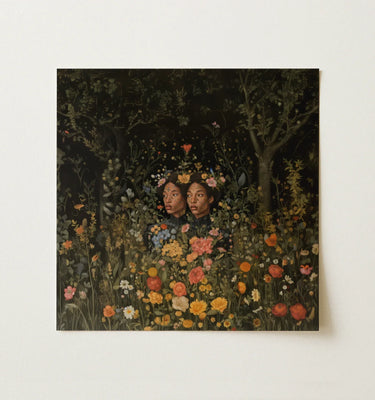
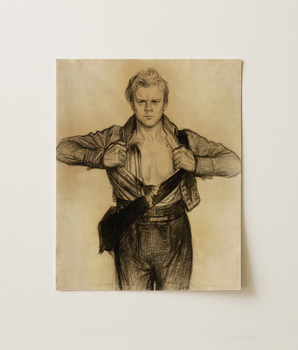 The Wounded Soldier - Albert Edelfelt Art Print
 Header - Angel Zarraga Art Print

 Pipe Practice - William Bruce Ellis Ranken Art Print
 Agamemnon - Johann Heinrich Wilhelm Tischbein Art Print
 Djurgarden Park - Eugene Jansson Art Print
 The Camp Library is Yours - Charles Buckles Falls Art Print

 Football - Francis Campbell Boileau Cadell Art Print
 Coldstream Fifers - James Tissot Art Print
 Stories of the Founding of Rome - Ludovico Carracci Art Print
 The Joke - Francis Campbell Boileau Cadell Art Print
 Two Tars - Francis Campbell Boileau Cadell Art Print
 Two Jacks - Francis Campbell Boileau Cadell Art Print

 Going on Leave - Francis Campbell Boileau Cadell Art Print
 Half Time - Francis Campbell Boileau Cadell Art Print
 Football Fans - Francis Campbell Boileau Cadell Art Print
 Tommy and Jack - Francis Campbell Boileau Cadell Art Print

 Sailors - Francis Campbell Boileau Cadell Art Print
 Nude Soldier - Elisha Kirkall after Louis Cheron Art Print
 At the Capstan on a Spanish Brig - Henry Scott Tuke Art Print
 It's an Old American Custom - Keep Clean Art Print
 The Archer - Vaino Alfred Blomstedt Art Print
 The Warrior's Rest - Antonio Fabres Art Print
 Archers - George Desvallieres Art Print
 Security Personnel of Afghanistan - Vasily Vereshchagin Art Print
 U.S. Soldier, Spanish-American War - Frederic Remington Art Print
 The Guard - Ludwig Deutsch Orientalism Art Print
 Three Football Players Wearing Berets - Angel Zarraga Art Print