Filter and sort
12 products
- Bestseller
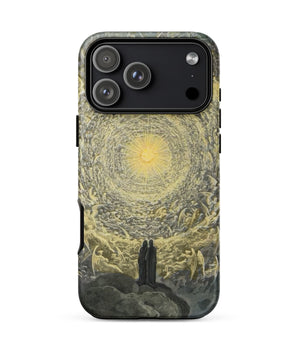 The Divine Comedy, Paradiso - Gustave Dore Phone Case From $48USD /🛎️ Made-to-order👁️ HD printed🌳 Plants a tree❤️ Satisfaction guaranteed
 - Bestseller
 The Raven, Edgar Allan Poe - Gustave Dore Phone Case From $48USD /🛎️ Made-to-order👁️ HD printed🌳 Plants a tree❤️ Satisfaction guaranteed
Automatic Discount Magic
Any 2 = 10% off / Any 3 = 15% off / Any 5 = 20% off
 Death-fires Dancing Around the Becalmed Ship - Gustave Dore Art Print From $25USD /🛎️ Made-to-order🫶 Handcrafted🌳 Plants a tree❤️ Satisfaction guaranteed
 The Death - Gustave Dore Art Print From $20USD /🛎️ Made-to-order🫶 Handcrafted🌳 Plants a tree❤️ Satisfaction guaranteed
 There Minos Stands - Gustave Dore Art Print From $25USD /🛎️ Made-to-order🫶 Handcrafted🌳 Plants a tree❤️ Satisfaction guaranteed
 Lucifer Descends Upon Earth - Gustave Dore Art Print From $25USD /🛎️ Made-to-order🫶 Handcrafted🌳 Plants a tree❤️ Satisfaction guaranteed
 Destruction of Leviathan - Gustave Dore Art Print From $25USD /🛎️ Made-to-order🫶 Handcrafted🌳 Plants a tree❤️ Satisfaction guaranteed
 Paradiso, Canto 31 - Gustave Dore Art Print From $25USD /🛎️ Made-to-order🫶 Handcrafted🌳 Plants a tree❤️ Satisfaction guaranteed
 Ruggiero Rescuing Angelica - Gustave Dore Art Print From $30USD /🛎️ Made-to-order🫶 Handcrafted🌳 Plants a tree❤️ Satisfaction guaranteed
 The Raven - Gustave Dore Art Print From $20USD /🛎️ Made-to-order🫶 Handcrafted🌳 Plants a tree❤️ Satisfaction guaranteed
 The Fall of Man - Gustave Dore Art Print From $25USD /🛎️ Made-to-order🫶 Handcrafted🌳 Plants a tree❤️ Satisfaction guaranteed
 Alcina's Beauty Overcomes All of Ruggiero's Misgivings - Gustave Dore Phone Case From $48USD /🛎️ Made-to-order👁️ HD printed🌳 Plants a tree❤️ Satisfaction guaranteed


Go Treasure Hunting


Gustave Dore
Gustave Dore carved eternity into wood and paper. Born in Strasbourg in 1832, he began as a prodigy with steel-etched humor, then turned his hand toward terror, grace, and revelation. He illustrated the Bible, Dante, Cervantes, Milton, Poe—turning their words into cathedrals of shadow. His engravings dragged the sacred through storms of light, cut divinity into matter, and filled the abyss with texture. Every line of Gustave Dore's vibrates with moral fever: angels burning like suns, sinners twisting in chiaroscuro, clouds bruised by apocalypse.