Henri Rousseau
Filter and sort
9 products
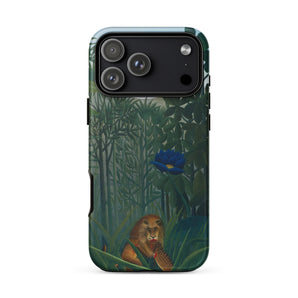
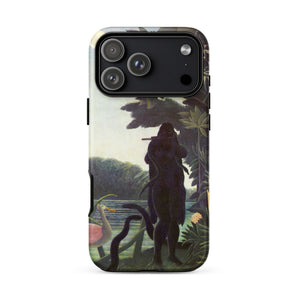
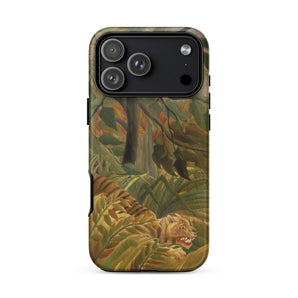
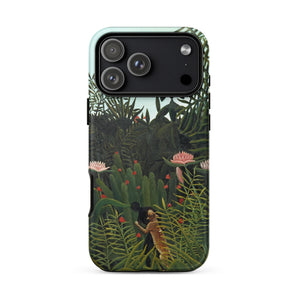
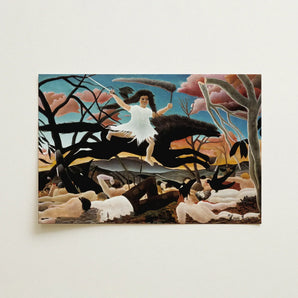 War - Henri Rousseau Fine Art Print / Canvas From $25USD /
Your Latest Loves
Go Treasure Hunting


Henri Rousseau
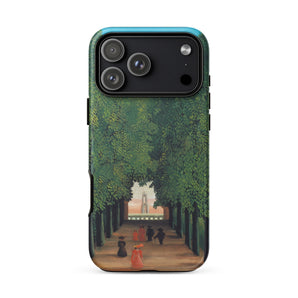
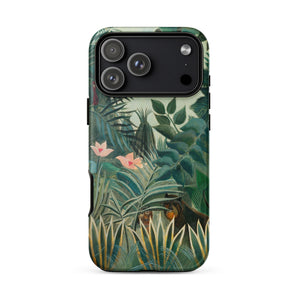
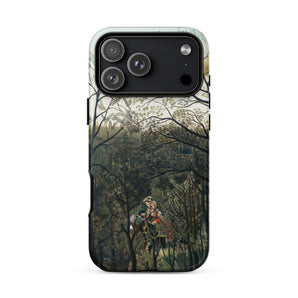
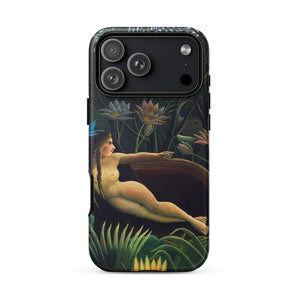
Henri Rousseau is the great paradox of modern art: a Paris customs officer who painted jungles he never saw, yet made them pulse with life vivid enough to haunt generations. Born in 1844 in Laval, France, Henri Rousseau began painting seriously only in his forties, a self-taught dreamer dismissed by critics as naïve.