Filter and sort
10 products
- Bestseller
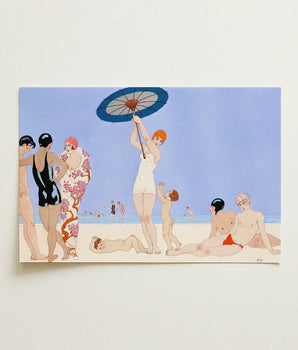 Au Lido - George Barbier 1920s Beach Fashion Art Print From $20USD /🛎️ Made-to-order🏳️🌈 Queer business🌳 Plants a tree❤️ Satisfaction guaranteed
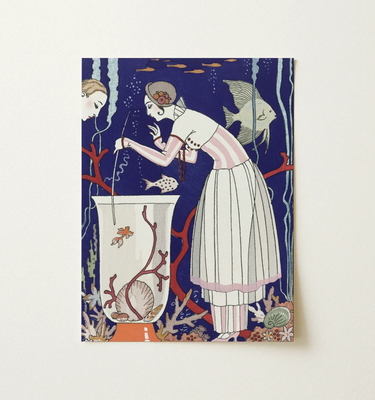
  Chez la Marchande de Pavots - George Barbier 1920s Art Print From $20USD /🛎️ Made-to-order🏳️🌈 Queer business🌳 Plants a tree❤️ Satisfaction guaranteed
Automatic Discount Magic
Any 2 = 10% off / Any 3 = 15% off / Any 5 = 20% off
 Fumée - George Barbier 1920s Fashion Art Print From $25USD /🛎️ Made-to-order🏳️🌈 Queer business🌳 Plants a tree❤️ Satisfaction guaranteed
 Grande Robe du Soir - George Barbier 1920s Art Print From $35USD /🛎️ Made-to-order🏳️🌈 Queer business🌳 Plants a tree❤️ Satisfaction guaranteed
 L'étourdissant Petit Poisson - George Barbier Art Print From $25USD /🛎️ Made-to-order🏳️🌈 Queer business🌳 Plants a tree❤️ Satisfaction guaranteed
 La Danse des Fleurs - George Barbier 1920s Art Print From $25USD /🛎️ Made-to-order🏳️🌈 Queer business🌳 Plants a tree❤️ Satisfaction guaranteed
 Le Jour et la Nuit - George Barbier 1920s Art Print From $20USD /🛎️ Made-to-order🏳️🌈 Queer business🌳 Plants a tree❤️ Satisfaction guaranteed
 Les Trois Beautes de Mnasidika - George Barbier Art Print From $25USD /🛎️ Made-to-order🏳️🌈 Queer business🌳 Plants a tree❤️ Satisfaction guaranteed
 Minuit - George Barbier 1920s Fashion Art Print From $20USD /🛎️ Made-to-order🏳️🌈 Queer business🌳 Plants a tree❤️ Satisfaction guaranteed
 Minuit - George Barbier Phone Case $48USD /🛎️ Made-to-order🏳️🌈 Queer business🌳 Plants a tree❤️ Satisfaction guaranteed


Go Treasure Hunting


George Barbier
Step into the extravagant world of George Barbier, where every line and flourish conjures the sumptuous allure of the Art Deco era. A French illustrator whose work embodies the Roaring Twenties’ unapologetic opulence, George Barbier’s visual language masterfully intertwines haute couture and theatrical aesthetics. His iconic collaborations—most famously with Paul Poiret and Erté—set a new precedent for fashion illustration, each piece dripping with the cultural essence of 1920s Paris.