Filter and sort
16 products
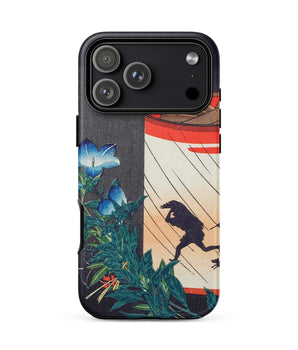 Bellflower and Lantern - Takahashi Shotei Phone Case $48USD /🛎️ Made-to-order👁️ HD printed🌳 Plants a tree❤️ Satisfaction guaranteed
- New Arrival
 Cat with Tomato Plant - Takahashi Shotei Art Print From $20USD /🛎️ Made-to-order🫶 Handcrafted🌳 Plants a tree❤️ Satisfaction guaranteed
Automatic Discount Magic
Any 2 = 10% off • Any 3 = 15% off • Any 5 = 20% off •
 Cat with Tomato Plant - Takahashi Shotei Phone Case $48USD /🛎️ Made-to-order👁️ HD printed🌳 Plants a tree❤️ Satisfaction guaranteed
- Bestseller
 Enjoying the Evening Cool - Takahashi Shotei Phone Case $48USD /🛎️ Made-to-order👁️ HD printed🌳 Plants a tree❤️ Satisfaction guaranteed
 - Bestseller
 Hakone Lake in Moonlight - Takahashi Shotei Phone Case $48USD /🛎️ Made-to-order👁️ HD printed🌳 Plants a tree❤️ Satisfaction guaranteed
 - Bestseller
 Moon at Sekiguchi Takahashi Shotei Phone Case $48USD /🛎️ Made-to-order👁️ HD printed🌳 Plants a tree❤️ Satisfaction guaranteed
- New Arrival
 Mount Fuji from Lake Yamanaka - Takahashi Shotei Art Print From $20USD /🛎️ Made-to-order🫶 Handcrafted🌳 Plants a tree❤️ Satisfaction guaranteed
 - Bestseller
 Okabe in Snow - Takahashi Shotei Phone Case $48USD /🛎️ Made-to-order👁️ HD printed🌳 Plants a tree❤️ Satisfaction guaranteed
 - Bestseller
 Plum Tree in Snow - Takahashi Shotei Phone Case $48USD /🛎️ Made-to-order👁️ HD printed🌳 Plants a tree❤️ Satisfaction guaranteed
  Sawatari in Snow - Takahashi Shotei Phone Case $48USD /🛎️ Made-to-order👁️ HD printed🌳 Plants a tree❤️ Satisfaction guaranteed
- New Arrival
 Shiragumo Waterfall - Takahashi Shotei Art Print From $20USD /🛎️ Made-to-order🫶 Handcrafted🌳 Plants a tree❤️ Satisfaction guaranteed
 - Bestseller
 Shiragumo Waterfall - Takahashi Shotei Phone Case $48USD /🛎️ Made-to-order👁️ HD printed🌳 Plants a tree❤️ Satisfaction guaranteed
 - Bestseller
 Snow at Asakusa - Takahashi Shotei Phone Case $48USD /🛎️ Made-to-order👁️ HD printed🌳 Plants a tree❤️ Satisfaction guaranteed
 - Bestseller
 Snow at Nipponmatsu - Takahashi Shotei Phone Case $48USD /🛎️ Made-to-order👁️ HD printed🌳 Plants a tree❤️ Satisfaction guaranteed
 - Popular
 Thunderstorm at Tateishi - Takahashi Shotei Phone Case $48USD /🛎️ Made-to-order👁️ HD printed🌳 Plants a tree❤️ Satisfaction guaranteed
  Tsukuda Island - Takahashi Shotei Phone Case $48USD /🛎️ Made-to-order👁️ HD printed🌳 Plants a tree❤️ Satisfaction guaranteed


Go Treasure Hunting


Takahashi Hiroaki (Shotei)
Hiroaki Takahashi (artist name Shotei) was born in 1871 in Tokyo — a prominent figure in the shinsaku-hanga and later shin-hanga movements. Under the tutelage of his uncle, Matsumoto Fuko, Hiroaki Takahashi mastered woodblock artistry, blending tradition with innovation, and developed a unique style that stood out among his contemporaries.