Filter and sort
32 products
- Bestseller
 Aamon - Grand Marquis of Hell Art Print From $35USD /🛎️ Made-to-order🏳️🌈 Queer business🌳 Plants a tree❤️ Satisfaction guaranteed
 - Popular
 Althaemenes in Despair - Nicolai Abraham Abildgaard Art Print From $30USD /🛎️ Made-to-order🏳️🌈 Queer business🌳 Plants a tree❤️ Satisfaction guaranteed
Automatic Discount Magic
Any 2 = 10% off • Any 3 = 15% off • Any 5 = 20% off •
- Bestseller
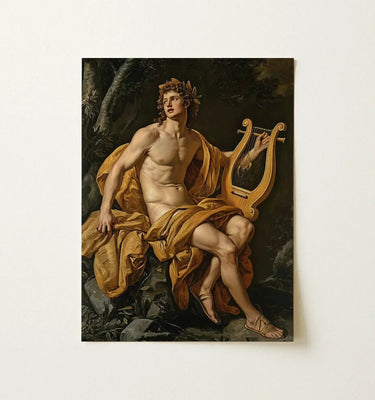
 Apollo - Follower of Charles Meynier Art Print From $25USD /🛎️ Made-to-order🏳️🌈 Queer business🌳 Plants a tree❤️ Satisfaction guaranteed
  Bacchus - Caravaggio Roman Wine God Art Print From $25USD /🛎️ Made-to-order🏳️🌈 Queer business🌳 Plants a tree❤️ Satisfaction guaranteed
- Popular
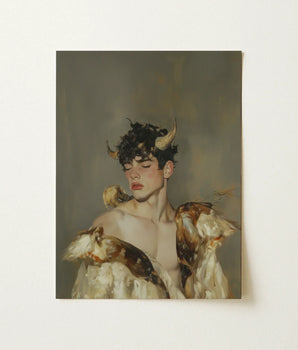
 Baphomet's Bastard - Gay Demon Art Print From $35USD /🛎️ Made-to-order🏳️🌈 Queer business🌳 Plants a tree❤️ Satisfaction guaranteed
 - Popular
 Bestial - Neo-Baroque Pagan Art Print From $35USD /🛎️ Made-to-order🏳️🌈 Queer business🌳 Plants a tree❤️ Satisfaction guaranteed
 Bhediya - Gay Wolf Sadhu Art Print From $40USD /🛎️ Made-to-order🏳️🌈 Queer business🌳 Plants a tree❤️ Satisfaction guaranteed
- Bestseller
 Carte Blanche - Surreal Gay Baroque Art Print From $35USD /🛎️ Made-to-order🏳️🌈 Queer business🌳 Plants a tree❤️ Satisfaction guaranteed
  Dante and Virgil - William-Adolphe Bouguereau Art Print From $25USD /🛎️ Made-to-order🏳️🌈 Queer business🌳 Plants a tree❤️ Satisfaction guaranteed
 Death - Sascha Schneider Art Print From $20USD /🛎️ Made-to-order🏳️🌈 Queer business🌳 Plants a tree❤️ Satisfaction guaranteed
 Departure from the Land of the Cyclops - Friedrich Preller the Elder Art Print From $20USD /🛎️ Made-to-order🏳️🌈 Queer business🌳 Plants a tree❤️ Satisfaction guaranteed
- Popular
 Feeling of Dependency - Sascha Schneider Art Print From $20USD /🛎️ Made-to-order🏳️🌈 Queer business🌳 Plants a tree❤️ Satisfaction guaranteed
 Figure of Apollo from 'The Forge of Vulcan' - John Singer Sargent Art Print From $20USD /🛎️ Made-to-order🏳️🌈 Queer business🌳 Plants a tree❤️ Satisfaction guaranteed
 Halo Sailor - Queer Maritime God Art Print From $40USD /🛎️ Made-to-order🏳️🌈 Queer business🌳 Plants a tree❤️ Satisfaction guaranteed
 Jupiter - Heinrich Fuger Art Print From $25USD /🛎️ Made-to-order🏳️🌈 Queer business🌳 Plants a tree❤️ Satisfaction guaranteed
- Popular
 Kneeling Narcissus - Anton Kolig Art Print From $20USD /🛎️ Made-to-order🏳️🌈 Queer business🌳 Plants a tree❤️ Satisfaction guaranteed
 Mercury the Speed God - J.C. Leyendecker Art Print From $25USD /🛎️ Made-to-order🏳️🌈 Queer business🌳 Plants a tree❤️ Satisfaction guaranteed
 Nyx - Gay Witch Art Print From $35USD /🛎️ Made-to-order🏳️🌈 Queer business🌳 Plants a tree❤️ Satisfaction guaranteed
 Our Little Secret - Neo-Baroque Bacchanal Art Print From $35USD /🛎️ Made-to-order🏳️🌈 Queer business🌳 Plants a tree❤️ Satisfaction guaranteed
- Bestseller
 Sea God - Frans Floris Flemish Renaissance Art Print From $25USD /🛎️ Made-to-order🏳️🌈 Queer business🌳 Plants a tree❤️ Satisfaction guaranteed
  Sketch for Hermes at the Pool - Henry Scott Tuke Art Print From $25USD /🛎️ Made-to-order🏳️🌈 Queer business🌳 Plants a tree❤️ Satisfaction guaranteed
- Popular
 St Sebastian - Johann Carl Loth Art Print From $20USD /🛎️ Made-to-order🏳️🌈 Queer business🌳 Plants a tree❤️ Satisfaction guaranteed
 - Popular
 Study of Adam for Paradise - Alexandre Cabanel Art Print From $25USD /🛎️ Made-to-order🏳️🌈 Queer business🌳 Plants a tree❤️ Satisfaction guaranteed
  The Abduction of Ganymede - Benigne Gagneraux Art Print From $25USD /🛎️ Made-to-order🏳️🌈 Queer business🌳 Plants a tree❤️ Satisfaction guaranteed
 The Anarchist - Sascha Schneider Art Print From $20USD /🛎️ Made-to-order🏳️🌈 Queer business🌳 Plants a tree❤️ Satisfaction guaranteed
- Popular
 The Awakening - Solomon Joseph Solomon Art Print From $25USD /🛎️ Made-to-order🏳️🌈 Queer business🌳 Plants a tree❤️ Satisfaction guaranteed
  The Little Imp - Gay Devil Art Print From $35USD /🛎️ Made-to-order🏳️🌈 Queer business🌳 Plants a tree❤️ Satisfaction guaranteed


Go Treasure Hunting


Gay Mythology Art
Gay mythology art never asked permission before making room for men who loved men. This queer myth collection restores that room. Here stands a gay Greek god caught mid-glance with his mortal favorite, the two of them closer than any museum placard dared print. Ganymede climbs skyward on an eagle's back, not abducted so much as chosen; Apollo leans toward Hyacinthus like weather leans toward a coastline.