Filter and sort
6 products
- Bestseller
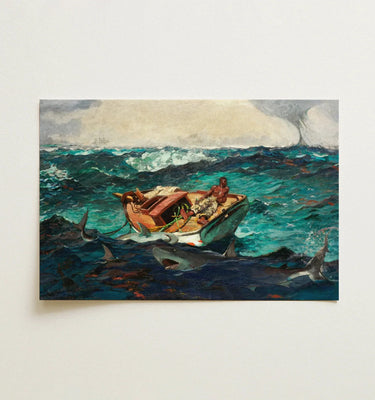
 Gulf Stream - Winslow Homer American Realism Art Print From $20USD /🛎️ Made-to-order🏳️🌈 Queer business🌳 Plants a tree❤️ Satisfaction guaranteed
  Undertow - Winslow Homer Art Print From $20USD /🛎️ Made-to-order🏳️🌈 Queer business🌳 Plants a tree❤️ Satisfaction guaranteed
Automatic Discount Magic
Any 2 = 10% off • Any 3 = 15% off • Any 5 = 20% off •
- Popular
 West Point Prouts Neck - Winslow Homer Phone Case From $48USD /🛎️ Made-to-order👁️ HD printed🌳 Plants a tree❤️ Satisfaction guaranteed
  Eastern Point - Winslow Homer Phone Case From $48USD /🛎️ Made-to-order👁️ HD printed🌳 Plants a tree❤️ Satisfaction guaranteed
 The Gulf Stream - Winslow Homer Phone Case From $48USD /🛎️ Made-to-order👁️ HD printed🌳 Plants a tree❤️ Satisfaction guaranteed
 After the Hurricane - Winslow Homer Art Print From $20USD /🛎️ Made-to-order🏳️🌈 Queer business🌳 Plants a tree❤️ Satisfaction guaranteed


Go Treasure Hunting


Winslow Homer
Winslow Homer's watercolors arrest you at the knife-edge where American Realism shatters into something stranger—men adrift in Caribbean light, bodies pressed against oceanic violence, survival stripped bare. These works chronicle Winslow Homer's metamorphosis from Civil War illustrator to maritime prophet, each transparent wash carrying Reconstruction's unfinished reckonings into Bahamian squalls and Prout's Neck gales.