Filter and sort
6 products
- Popular
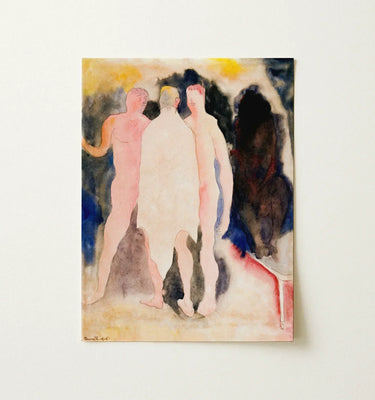
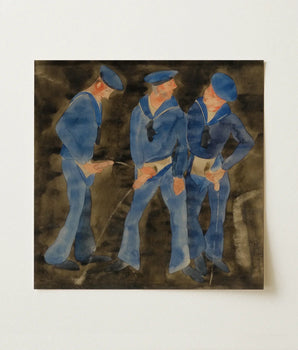 Three Sailors - Charles Demuth Art Print From $35USD /🛎️ Made-to-order🏳️🌈 Queer business🌳 Plants a tree❤️ Satisfaction guaranteed
  On 'That' Street - Charles Demuth Art Print From $30USD /🛎️ Made-to-order🏳️🌈 Queer business🌳 Plants a tree❤️ Satisfaction guaranteed
Automatic Discount Magic
Any 2 = 10% off • Any 3 = 15% off • Any 5 = 20% off •
- Popular
 Two Sailors - Charles Demuth Art Print From $30USD /🛎️ Made-to-order🏳️🌈 Queer business🌳 Plants a tree❤️ Satisfaction guaranteed
  In Vaudeville, the Bicycle Rider - Charles Demuth Art Print From $30USD /🛎️ Made-to-order🏳️🌈 Queer business🌳 Plants a tree❤️ Satisfaction guaranteed
- Popular
 Turkish Bath - Charles Demuth Art Print From $30USD /🛎️ Made-to-order🏳️🌈 Queer business🌳 Plants a tree❤️ Satisfaction guaranteed
 - Popular
 Twelve Nude Boys at the Beach - Charles Demuth Fine Art Print From $30USD /🛎️ Made-to-order🏳️🌈 Queer business🌳 Plants a tree❤️ Satisfaction guaranteed


Your Latest Loves


Charles Demuth
Charles Demuth painted queerness the way vaudeville painted itself — in sequins, innuendo, and a wink that outran the censor. Before Precisionism handed him grain elevators and smokestacks, this Lancaster-born eye had already logged the choreography of bathhouse steam, sailors toweling off in narrow stalls, acrobats bending backward under gaslight at Coney Island and the Golden Swan. His watercolor technique — wet washes bleeding into contour, ink-line bodies caught mid-gesture — turned desire into a performance of paper and pigment, refusing the solemnity historians reserve for paintings hung in polite parlors.