Filter and sort
9 products
 Astral Man - Sascha Schneider Art Print From $30USD /🛎️ Made-to-order🏳️🌈 Queer business🌳 Plants a tree❤️ Satisfaction guaranteed
 Death - Sascha Schneider Art Print From $25USD /🛎️ Made-to-order🏳️🌈 Queer business🌳 Plants a tree❤️ Satisfaction guaranteed
Automatic Discount Magic
Any 2 = 10% off • Any 3 = 15% off • Any 5 = 20% off •
- Popular
 Feeling of Dependency - Sascha Schneider Art Print From $25USD /🛎️ Made-to-order🏳️🌈 Queer business🌳 Plants a tree❤️ Satisfaction guaranteed
 - Bestseller
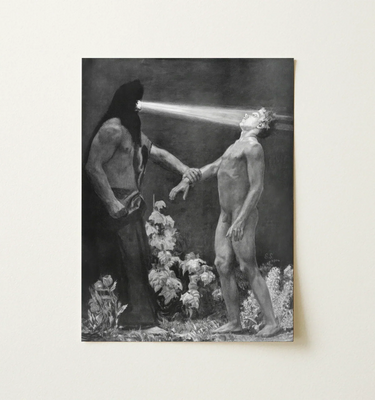
 Hypnosis - Sascha Schneider Art Print From $30USD /🛎️ Made-to-order🏳️🌈 Queer business🌳 Plants a tree❤️ Satisfaction guaranteed
 - Popular
 Sieger - Sascha Schneider Fine Art Print From $30USD /🛎️ Made-to-order🏳️🌈 Queer business🌳 Plants a tree❤️ Satisfaction guaranteed
  The Anarchist - Sascha Schneider Art Print From $25USD /🛎️ Made-to-order🏳️🌈 Queer business🌳 Plants a tree❤️ Satisfaction guaranteed
 The Shaman - Sascha Schneider Art Print From $25USD /🛎️ Made-to-order🏳️🌈 Queer business🌳 Plants a tree❤️ Satisfaction guaranteed
- New Arrival
 Through Wild Kurdistan - Sascha Schneider Art Print From $30USD /🛎️ Made-to-order🏳️🌈 Queer business🌳 Plants a tree❤️ Satisfaction guaranteed
  War Cry - Sascha Schneider Art Print From $30USD /🛎️ Made-to-order🏳️🌈 Queer business🌳 Plants a tree❤️ Satisfaction guaranteed


Your Latest Loves
Go Treasure Hunting


Sascha Schneider
Sascha Schneider (1870–1927) turned men into mythic monoliths—bare-chested ideograms of psychic struggle, moral transcendence, and forbidden ache. A queer symbolist visionary, Sascha Schneider saturated his canvases with muscular allegory, using the male form not as object but as ideological lightning rod.