Filter and sort
63 products
- Bestseller
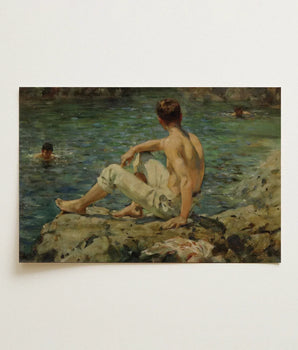 Green and Gold - Henry Scott Tuke Art Print From $20USD /🛎️ Made-to-order🏳️🌈 Queer business🌳 Plants a tree❤️ Satisfaction guaranteed
 - Bestseller
 Lovers of the Sun - Henry Scott Tuke Art Print From $25USD /🛎️ Made-to-order🏳️🌈 Queer business🌳 Plants a tree❤️ Satisfaction guaranteed
Automatic Discount Magic
Any 2 = 10% off • Any 3 = 15% off • Any 5 = 20% off •
- Bestseller
 A Bathing Group (1912) - Henry Scott Tuke Art Print From $20USD /🛎️ Made-to-order🏳️🌈 Queer business🌳 Plants a tree❤️ Satisfaction guaranteed
 - Bestseller
 Boy on a Beach - Henry Scott Tuke Art Print From $20USD /🛎️ Made-to-order🏳️🌈 Queer business🌳 Plants a tree❤️ Satisfaction guaranteed
 - Bestseller
 Man Posing Naked on a Rocky Outcrop - Edwin Nichol Fallaize Art Print From $25USD /🛎️ Made-to-order🏳️🌈 Queer business🌳 Plants a tree❤️ Satisfaction guaranteed
 - Bestseller
 Archer - William Etty Art Print From $25USD /🛎️ Made-to-order🏳️🌈 Queer business🌳 Plants a tree❤️ Satisfaction guaranteed
- Bestseller
 Suck It Up - Neo-Victorian Gay BDSM Art Print From $35USD /🛎️ Made-to-order🏳️🌈 Queer business🌳 Plants a tree❤️ Satisfaction guaranteed
 - Bestseller
 See No Evil - Luxe Gay Bondage Art Print From $35USD /🛎️ Made-to-order🏳️🌈 Queer business🌳 Plants a tree❤️ Satisfaction guaranteed
 - Bestseller
 Ibeji - Black Gay Victorian Twins Art Print From $40USD /🛎️ Made-to-order🏳️🌈 Queer business🌳 Plants a tree❤️ Satisfaction guaranteed
 - BestsellerPopular
 Swimming Hole - Thomas Eakins Art Print From $25USD /🛎️ Made-to-order🏳️🌈 Queer business🌳 Plants a tree❤️ Satisfaction guaranteed
 - Bestseller
 Male Nude from the Back - William Etty Art Print From $30USD /🛎️ Made-to-order🏳️🌈 Queer business🌳 Plants a tree❤️ Satisfaction guaranteed
  A Bathing Group - Henry Scott Tuke Phone Case $48USD /🛎️ Made-to-order🏳️🌈 Queer business🌳 Plants a tree❤️ Satisfaction guaranteed
 Beach Study - Henry Scott Tuke Phone Case $48USD /🛎️ Made-to-order🏳️🌈 Queer business🌳 Plants a tree❤️ Satisfaction guaranteed
- New Arrival
 Embarkation (1911) - Henry Scott Tuke Art Print From $20USD /🛎️ Made-to-order🏳️🌈 Queer business🌳 Plants a tree❤️ Satisfaction guaranteed
  After the Bath - Henry Scott Tuke Art Print From $25USD /🛎️ Made-to-order🏳️🌈 Queer business🌳 Plants a tree❤️ Satisfaction guaranteed
- New Arrival
 Sunny Hours in Jamaica (1924) - Henry Scott Tuke Art Print From $25USD /🛎️ Made-to-order🏳️🌈 Queer business🌳 Plants a tree❤️ Satisfaction guaranteed
 Male Nude Reclining on Rocks - Henry Scott Tuke Art Print From $25USD /🛎️ Made-to-order🏳️🌈 Queer business🌳 Plants a tree❤️ Satisfaction guaranteed
- Popular
 A Woodland Bather - Henry Scott Tuke Art Print From $20USD /🛎️ Made-to-order🏳️🌈 Queer business🌳 Plants a tree❤️ Satisfaction guaranteed
 - Popular
 The Bather - Henry Scott Tuke Fine Art Print From $25USD /🛎️ Made-to-order🏳️🌈 Queer business🌳 Plants a tree❤️ Satisfaction guaranteed
  Beach Study - Henry Scott Tuke Art Print From $25USD /🛎️ Made-to-order🏳️🌈 Queer business🌳 Plants a tree❤️ Satisfaction guaranteed
- Popular
 The Sunbathers - Henry Scott Tuke Art Print From $20USD /🛎️ Made-to-order🏳️🌈 Queer business🌳 Plants a tree❤️ Satisfaction guaranteed
  Leafy June - Henry Scott Tuke Art Print From $25USD /🛎️ Made-to-order🏳️🌈 Queer business🌳 Plants a tree❤️ Satisfaction guaranteed
 Ruby, Gold and Malachite - Henry Scott Tuke Art Print From $25USD /🛎️ Made-to-order🏳️🌈 Queer business🌳 Plants a tree❤️ Satisfaction guaranteed
- New ArrivalPopular
 Bathing Group (Noonday Heat) (1911) - Henry Scott Tuke Art Print From $20USD /🛎️ Made-to-order🏳️🌈 Queer business🌳 Plants a tree❤️ Satisfaction guaranteed
 - New Arrival
 Black River Boatmen, Jamaica (1924) - Henry Scott Tuke Art Print From $20USD /🛎️ Made-to-order🏳️🌈 Queer business🌳 Plants a tree❤️ Satisfaction guaranteed
 - New Arrival
 The Bathing Cove (1912) - Henry Scott Tuke Art Print From $35USD /🛎️ Made-to-order🫶 Handcrafted🌳 Plants a tree❤️ Satisfaction guaranteed
 - New Arrival
 August Blue (1896) - Henry Scott Tuke Art Print From $20USD /🛎️ Made-to-order🏳️🌈 Queer business🌳 Plants a tree❤️ Satisfaction guaranteed


Go Treasure Hunting


Gay Victorian Art
Gay Victorian art insists the male body could be scholarship and seduction in one gesture, and this collection keeps proving it, first in oil, then in myth. Academic nude studies scandalized the Royal Academy with ochre flesh and unapologetic backview anatomy; plein-air bathers and sailors carried that appetite outdoors into Newlyn School light, salt air pressed into every brushstroke. Ink-and-wash life studies and pictorialist photography extend the same nineteenth-century gaze into drawing and lens, cataloguing musculature as devotion, measuring skin against stone and tide.