Filtrer et trier
43 produits
- New Arrival
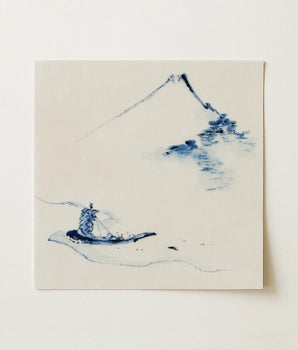 Une personne dans un petit bateau sur une rivière avec le mont Fuji en arrière-plan - Estampe d’art de Katsushika Hokusai Du $30USD /🛎️ Fabriqué sur commande🫶 Fait main🌳 On plante un arbre❤️ Satisfaction garantie
 - New Arrival
 Sous le pont Mannen à Fukagawa - Estampe de Katsushika Hokusai Du $20USD /🛎️ Fabriqué sur commande🫶 Fait main🌳 On plante un arbre❤️ Satisfaction garantie
Automatic Discount Magic
Any 2 = 10% off • Any 3 = 15% off • Any 5 = 20% off •
- New Arrival
 Oiseau et kaki - Impression d'art de Katsushika Hokusai Du $20USD /🛎️ Fabriqué sur commande🫶 Fait main🌳 On plante un arbre❤️ Satisfaction garantie
 - New Arrival
 Bouvreuil et fleurs de cerisier pleureur - Reproduction d’art de Katsushika Hokusai Du $20USD /🛎️ Fabriqué sur commande🫶 Fait main🌳 On plante un arbre❤️ Satisfaction garantie
 - Popular
 Grues sur un arbre enneigé - Coque de téléphone Hokusai Du $48USD /🛎️ Fabriqué sur commande👁️ Imprimé en HD🌳 On plante un arbre❤️ Satisfaction garantie
 - New Arrival
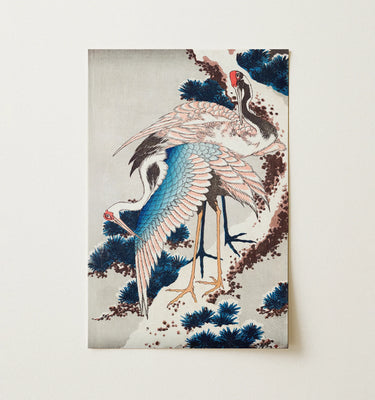
 Grues sur un arbre enneigé - Impression d’art de Katsushika Hokusai Du $20USD /🛎️ Fabriqué sur commande🫶 Fait main🌳 On plante un arbre❤️ Satisfaction garantie
- New Arrival
 Charrette de fleurs - Impression d’art de Katsushika Hokusai Du $35USD /🛎️ Fabriqué sur commande🫶 Fait main🌳 On plante un arbre❤️ Satisfaction garantie
 - New Arrival
 Coque de téléphone « Flower Cart » - Katsushika Hokusai Du $48USD /🛎️ Fabriqué sur commande👁️ Imprimé en HD🌳 On plante un arbre❤️ Satisfaction garantie
  Coque de téléphone Goten-Yama Hill - Katsushika Hokusai Du $48USD /🛎️ Fabriqué sur commande👁️ Imprimé en HD🌳 On plante un arbre❤️ Satisfaction garantie
- New Arrival
 Colline de Goten-yama, Shinagawa sur le Tokaido - Estampe de Katsushika Hokusai Du $20USD /🛎️ Fabriqué sur commande🫶 Fait main🌳 On plante un arbre❤️ Satisfaction garantie
 - New Arrival
 Honganji à Asakusa à Edo - Impression d’art de Katsushika Hokusai Du $20USD /🛎️ Fabriqué sur commande🫶 Fait main🌳 On plante un arbre❤️ Satisfaction garantie
 - Bestseller
 Hortensia & Hirondelle - Estampe d’art sur bois ukiyo-e de Hokusai Du $20USD /🛎️ Fabriqué sur commande🫶 Fait main🌳 On plante un arbre❤️ Satisfaction garantie
- Bestseller
 Hortensia & hirondelle - Coque de téléphone en art de gravure sur bois Hokusai Du $48USD /🛎️ Fabriqué sur commande👁️ Imprimé en HD🌳 On plante un arbre❤️ Satisfaction garantie
 - New Arrival
 Kohada Koheiji - Estampe de Katsushika Hokusai Du $20USD /🛎️ Fabriqué sur commande🫶 Fait main🌳 On plante un arbre❤️ Satisfaction garantie
 - New Arrival
 Lys - Impression d’art de Katsushika Hokusai Du $20USD /🛎️ Fabriqué sur commande🫶 Fait main🌳 On plante un arbre❤️ Satisfaction garantie
 - New Arrival
 Lys - Coque de téléphone Katsushika Hokusai Du $48USD /🛎️ Fabriqué sur commande👁️ Imprimé en HD🌳 On plante un arbre❤️ Satisfaction garantie
- New Arrival
 Petit Corbeau avec l’épée du clan Minamoto - Impression d’art de Katsushika Hokusai Du $35USD /🛎️ Fabriqué sur commande🫶 Fait main🌳 On plante un arbre❤️ Satisfaction garantie
 - New Arrival
 Petit Corbeau avec l’épée du clan Minamoto - Coque de téléphone Katsushika Hokusai Du $48USD /🛎️ Fabriqué sur commande👁️ Imprimé en HD🌳 On plante un arbre❤️ Satisfaction garantie
  Coque de téléphone « Col de Mishima - Katsushika Hokusai » Du $48USD /🛎️ Fabriqué sur commande👁️ Imprimé en HD🌳 On plante un arbre❤️ Satisfaction garantie
- New Arrival
 Col de Mishima dans la province de Kai - Impression d’art de Katsushika Hokusai Du $20USD /🛎️ Fabriqué sur commande🫶 Fait main🌳 On plante un arbre❤️ Satisfaction garantie
 - New Arrival
 Oiseau mystique (Karyobinga) - Impression d'art de Katsushika Hokusai Du $35USD /🛎️ Fabriqué sur commande🫶 Fait main🌳 On plante un arbre❤️ Satisfaction garantie
 - New Arrival
 Cascade d'Ono sur le Kisokaido - Reproduction d'art de Katsushika Hokusai Du $20USD /🛎️ Fabriqué sur commande🫶 Fait main🌳 On plante un arbre❤️ Satisfaction garantie
 - New Arrival
 Chouette - Impression d’art de Katsushika Hokusai Du $20USD /🛎️ Fabriqué sur commande🫶 Fait main🌳 On plante un arbre❤️ Satisfaction garantie
 - New Arrival
 Pivoines et Canari - Impression d'art de Katsushika Hokusai Du $25USD /🛎️ Fabriqué sur commande🫶 Fait main🌳 On plante un arbre❤️ Satisfaction garantie
 - New Arrival
 Poème de Chunagon Yakamochi - Impression d'art de Katsushika Hokusai Du $20USD /🛎️ Fabriqué sur commande🫶 Fait main🌳 On plante un arbre❤️ Satisfaction garantie
  Poème de Kakinomoto Hitomaro - Coque de téléphone Hokusai Du $48USD /🛎️ Fabriqué sur commande👁️ Imprimé en HD🌳 On plante un arbre❤️ Satisfaction garantie
- Bestseller
 Poème de Sarumaru Dayu - Coque de téléphone Hokusai Du $48USD /🛎️ Fabriqué sur commande👁️ Imprimé en HD🌳 On plante un arbre❤️ Satisfaction garantie


Go Treasure Hunting


Katsushika Hokusai
Katsushika Hokusai est une figure illustre de la période Edo dont la maîtrise de l'art ukiyo-e continue de captiver et d'inspirer. Cette collection n'est qu'une fraction de leur travail. L'influence profonde de Hokusai sur le développement de l'art japonais présente une gamme de pièces allant des estampes délicates aux peintures audacieuses. Démontrant sa polyvalence et son innovation tout au long de son évolution en tant qu'artiste.