Filter and sort
48 products
- Popular
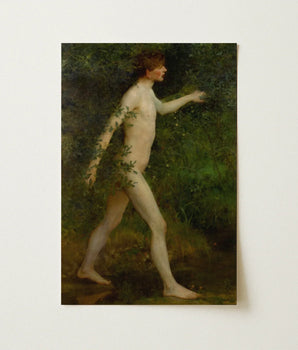 A Woodland Bather - Henry Scott Tuke Fine Art Print / Canvas From $25USD /🛎️ Made-to-order🏳️🌈 Queer business🌳 Plants a tree❤️ Satisfaction guaranteed
  After the Bath - Henry Scott Tuke Fine Art Print / Canvas From $30USD /🛎️ Made-to-order🏳️🌈 Queer business🌳 Plants a tree❤️ Satisfaction guaranteed
Automatic Discount Magic
Any 2 = 10% off • Any 3 = 15% off • Any 5 = 20% off •
 After the Hurricane - Winslow Homer Fine Art Print / Canvas From $25USD /🛎️ Made-to-order🏳️🌈 Queer business🌳 Plants a tree❤️ Satisfaction guaranteed
 Anzacs Bathing - George Washington Lambert Fine Art Print / Canvas From $30USD /🛎️ Made-to-order🏳️🌈 Queer business🌳 Plants a tree❤️ Satisfaction guaranteed
- New Arrival
 August Blue (1896) - Henry Scott Tuke Fine Art Print / Canvas From $25USD /🛎️ Made-to-order🏳️🌈 Queer business🌳 Plants a tree❤️ Satisfaction guaranteed
 - Popular
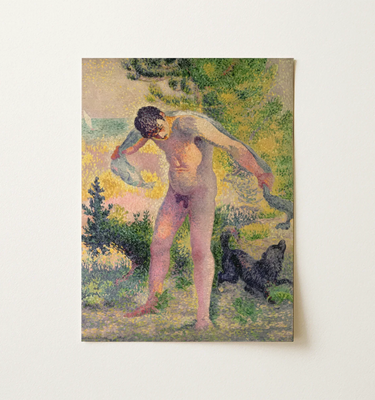
 Bather Drying Himself at St Tropez - Henri Edmond Cross Fine Art Print / Canvas From $30USD /🛎️ Made-to-order🏳️🌈 Queer business🌳 Plants a tree❤️ Satisfaction guaranteed
- Bestseller
 Bathers - John Singer Sargent Fine Art Print / Canvas From $30USD /🛎️ Made-to-order🏳️🌈 Queer business🌳 Plants a tree❤️ Satisfaction guaranteed
  Bathers at Rest - Paul Cézanne Fine Fine Art Print / Canvas From $30USD /🛎️ Made-to-order🏳️🌈 Queer business🌳 Plants a tree❤️ Satisfaction guaranteed
- New ArrivalPopular
 Bathing Group (Noonday Heat) (1911) - Henry Scott Tuke Fine Art Print / Canvas From $25USD /🛎️ Made-to-order🏳️🌈 Queer business🌳 Plants a tree❤️ Satisfaction guaranteed
  Beach Study - Henry Scott Tuke Fine Art Print / Canvas From $30USD /🛎️ Made-to-order🏳️🌈 Queer business🌳 Plants a tree❤️ Satisfaction guaranteed
- New Arrival
 Black River Boatmen, Jamaica (1924) - Henry Scott Tuke Fine Art Print / Canvas From $25USD /🛎️ Made-to-order🏳️🌈 Queer business🌳 Plants a tree❤️ Satisfaction guaranteed
 - Bestseller
 Boy on a Beach - Henry Scott Tuke Fine Art Print / Canvas From $25USD /🛎️ Made-to-order🏳️🌈 Queer business🌳 Plants a tree❤️ Satisfaction guaranteed
- Popular
 Boys on the Beach - Károly Ferenczy Fine Fine Art Print / Canvas From $30USD /🛎️ Made-to-order🏳️🌈 Queer business🌳 Plants a tree❤️ Satisfaction guaranteed
 - Bestseller
 Dipping - Gay Grunge Baroque Ballet Fine Art Print / Canvas From $35USD /🛎️ Made-to-order🏳️🌈 Queer business🌳 Plants a tree❤️ Satisfaction guaranteed
 - Bestseller
 Douglas - Black Gay Pirate Fine Art Print / Canvas From $35USD /🛎️ Made-to-order🏳️🌈 Queer business🌳 Plants a tree❤️ Satisfaction guaranteed
 - New Arrival
 Embarkation (1911) - Henry Scott Tuke Fine Art Print / Canvas From $25USD /🛎️ Made-to-order🏳️🌈 Queer business🌳 Plants a tree❤️ Satisfaction guaranteed
- Popular
 Fisherman with a Net - Frederic Bazille Fine Fine Art Print / Canvas From $25USD /🛎️ Made-to-order🏳️🌈 Queer business🌳 Plants a tree❤️ Satisfaction guaranteed
 - Bestseller
 Green and Gold - Henry Scott Tuke Fine Art Print / Canvas From $25USD /🛎️ Made-to-order🏳️🌈 Queer business🌳 Plants a tree❤️ Satisfaction guaranteed
 - Popular
 High Tide - Gay Hookup Fine Art Print / Canvas From $35USD /🛎️ Made-to-order🏳️🌈 Queer business🌳 Plants a tree❤️ Satisfaction guaranteed
 - Bestseller
 In Deep - Gay Asian Lovers Fine Art Print / Canvas From $35USD /🛎️ Made-to-order🏳️🌈 Queer business🌳 Plants a tree❤️ Satisfaction guaranteed
  Kneeling Narcissus - Anton Kolig Fine Art Print / Canvas From $25USD /🛎️ Made-to-order🏳️🌈 Queer business🌳 Plants a tree❤️ Satisfaction guaranteed
- Popular
 Looking - Gay Surfers Cruising Fine Art Print / Canvas From $35USD /🛎️ Made-to-order🏳️🌈 Queer business🌳 Plants a tree❤️ Satisfaction guaranteed
 - Bestseller
 Lovers of the Sun - Henry Scott Tuke Fine Fine Art Print / Canvas From $30USD /🛎️ Made-to-order🏳️🌈 Queer business🌳 Plants a tree❤️ Satisfaction guaranteed


Your Latest Loves
Go Treasure Hunting


Gay Beach Art
Sand, surf and side-eye: this gay beach art pulls together nude male bathers, queer sailors, storm-bruised coastlines and sunlit swimmers from across centuries, then lets them gossip on your wall.
Here, every shoreline is loaded. Bathing soldiers, fishermen hauling nets, men stretched out on rocks, surfers lingering in the break: each piece of gay beach art turns the coast into a charged threshold where masculinity, desire and danger blur. Skin glows against cyan water, shadows pool in coves, towels and boats become props for flirtation and queer longing.