Arte renacentista gay
Filtrar y ordenar
16 productos
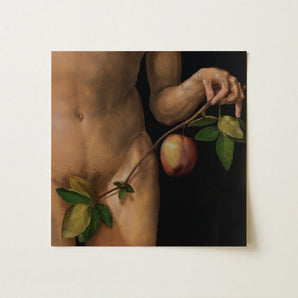 Adam - Impresión artística de Albrecht Dürer / Lienzo A partir de $35USD /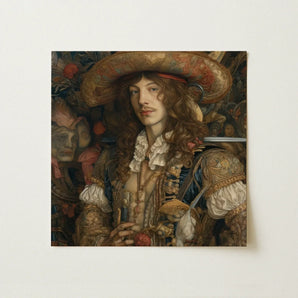
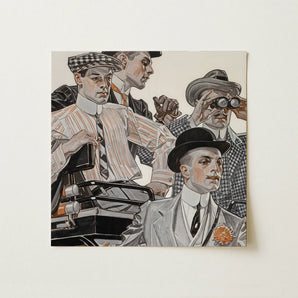
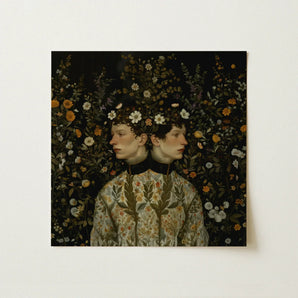 Harold y Claude - Impresión artística en lienzo de gemelos gays neerlandeses A partir de $40USD /
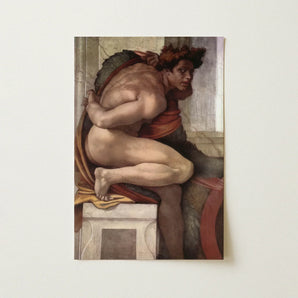 Ignudo - Impresión artística masculina divina de Miguel Ángel / Lienzo A partir de $25USD /
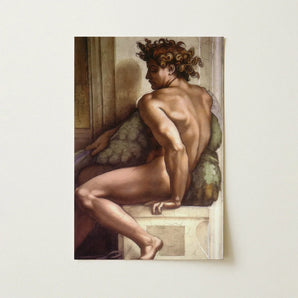 Ignudo - Miguel Ángel La embriaguez de Noé Impresión artística / Lienzo A partir de $25USD /
 Ignudo - Impresión artística / lienzo de fresco de desnudo masculino de Miguel Ángel A partir de $25USD /
 Ignudo - Miguel Ángel Sacrificio de Noé Impresión artística / Lienzo A partir de $25USD /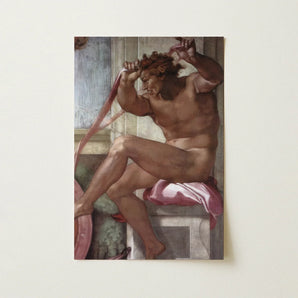
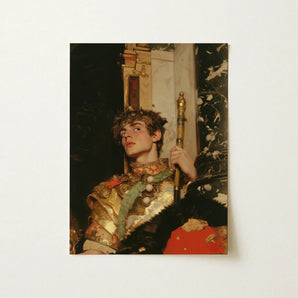 Atisbando - Impresión artística real gay del Renacimiento / Lienzo A partir de $35USD /
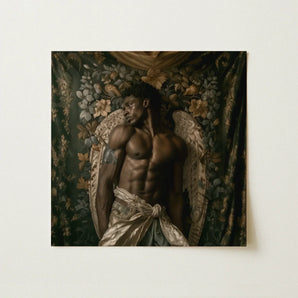 Raziel - Impresión artística / Lienzo de ángel negro gay A partir de $40USD /
 San Sebastián - Impresión artística de Lorenzo Lippi / Lienzo A partir de $30USD /
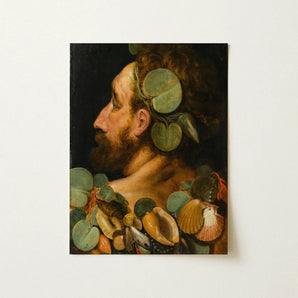 Dios del mar - Impresión artística renacentista flamenca de Frans Floris / Lienzo A partir de $30USD /
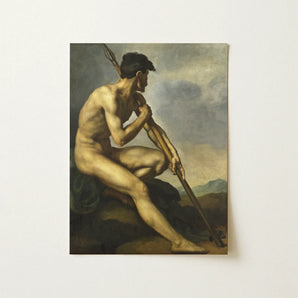
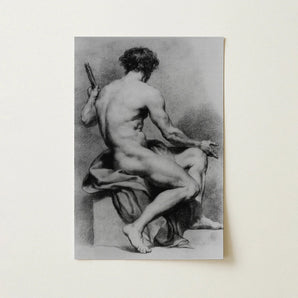 Desnudo masculino sentado - Anton Raphael Mengs impresión de bellas artes / lienzo A partir de $25USD /
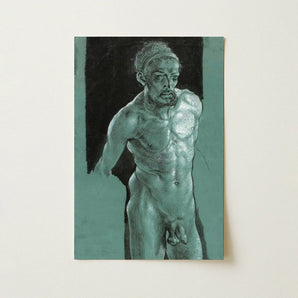 Autorretrato como un desnudo - Impresión artística / Lienzo de Albrecht Dürer A partir de $25USD /
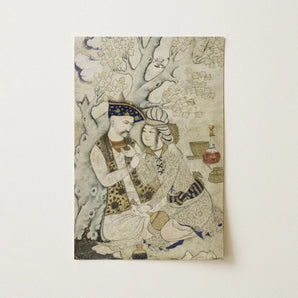 Shah Abbas y su paje - Impresión artística en lienzo de Muhammad Qasim Musavvir A partir de $25USD /
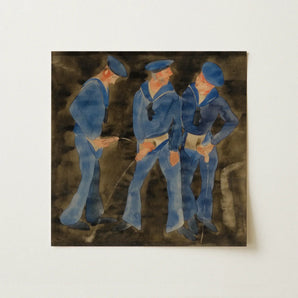
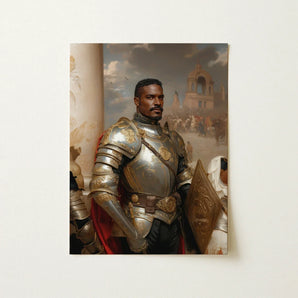 El General - Impresión artística militar gay vintage / Lienzo A partir de $35USD /


Ve a la caza de tesoros


Tus últimos amores
Arte renacentista gay
Este arte renacentista gay reúne la licencia queer y la cuelga en tu pared. Cada impresión de bellas artes lleva la ambigüedad cargada que las biografías de Vasari medio confesaron y enterraron: el mecenazgo como cortejo, el sfumato como ocultamiento, la figura masculina desnuda como argumento. Una sola pintura renacentista gay, a gran escala, se convierte en una lección tangible sobre cuerpos a los que antes se les permitía significar más de una cosa a la vez.