Art de la Renaissance gay

Filtrer et trier 13 produits
Trier par :

Vos derniers coups de cœur

Art de la Renaissance gay

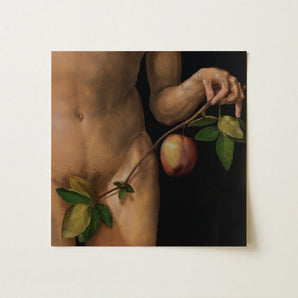
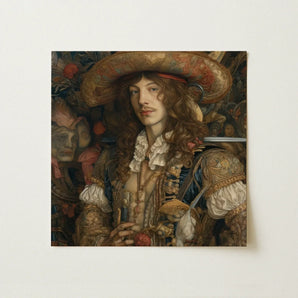
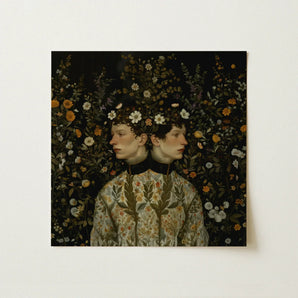
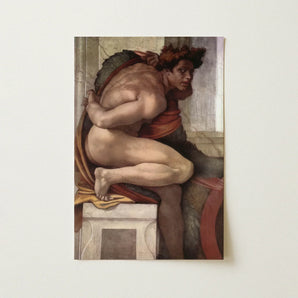
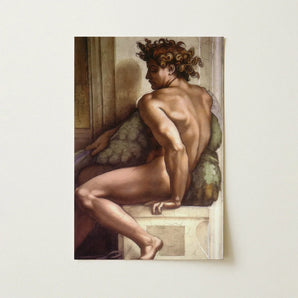
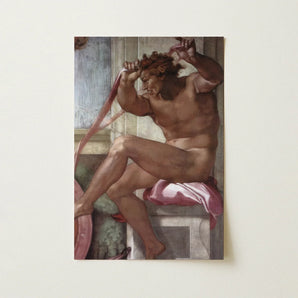
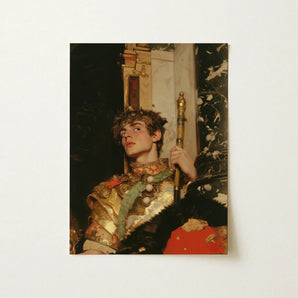
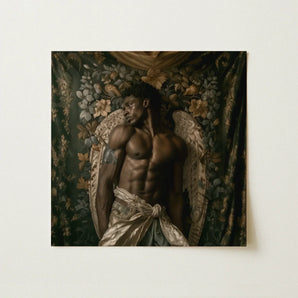
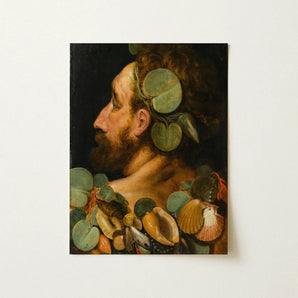
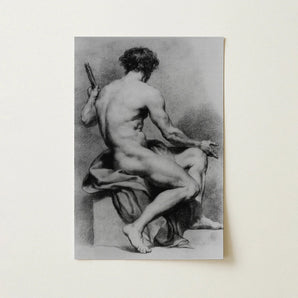
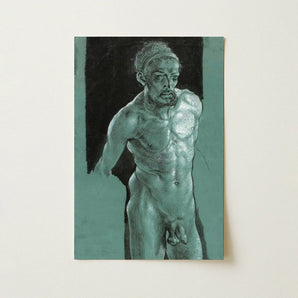
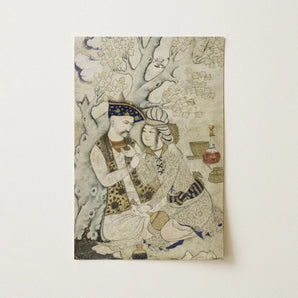
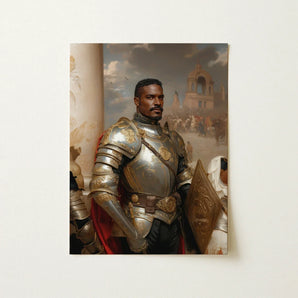
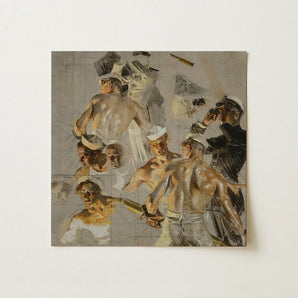
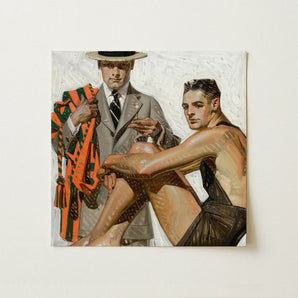
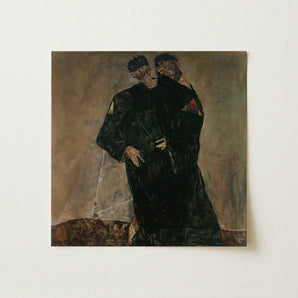
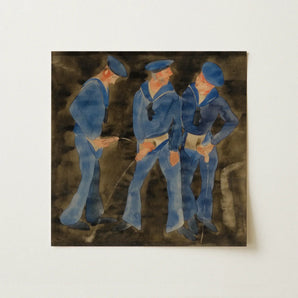
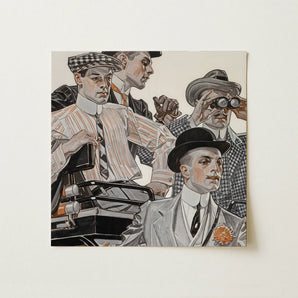
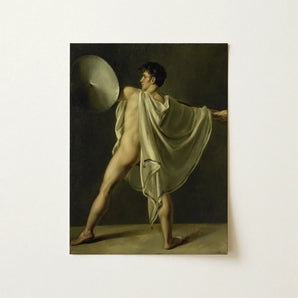
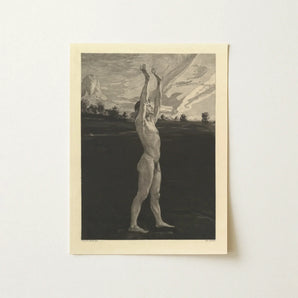
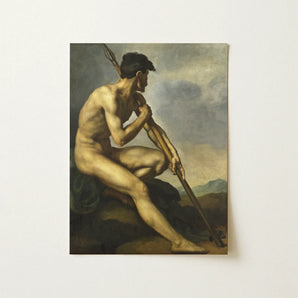
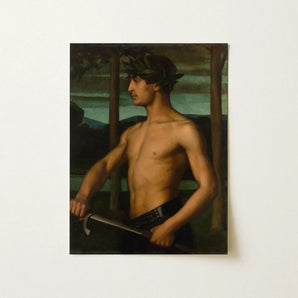
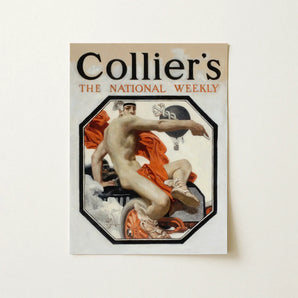
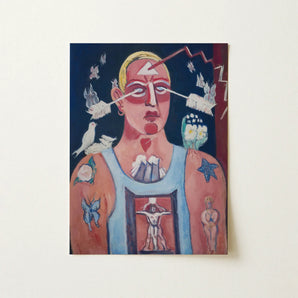
Cet art de la Renaissance gay recueille une permission queer et l’accroche à votre mur. Chaque tirage d’art porte l’ambiguïté chargée que les biographies de Vasari ont à demi avouée puis enfouie : le mécénat comme parade amoureuse, le sfumato comme dissimulation, la figure masculine nue comme argument. Une seule peinture de la Renaissance gay, à grande échelle, devient une leçon de choses sur des corps jadis autorisés à signifier plus d’une chose à la fois.

FAQ

À propos de cette collection

Michel-Ange a sculpté le désir dans le marbre ; Donatello a choisi un jeune homme de bronze dont la tendre position divise les critiques ; Botticelli a drapé des idéaux néoplatoniciens sur des corps qui refusent toute catégorisation facile. Florence du Quattrocento a construit son projet humaniste sur la forme masculine étudiée, mesurée et adorée – des ateliers où les apprentis modelaient pour des maîtres qui trouvaient dans l'Antiquité classique la permission de paraître que l'Église ne pouvait pas contrôler.

L'érudition et le besoin n'ont jamais été séparés ici : les dessins anatomiques de Léonard et sa vie privée partagent une même main. Ces peintures gaies de la Renaissance restituent cette fusion, offrant une lignée où la beauté, l’étude et le désir homosexuel fondent le même bronze, remplissent les mêmes carnets de croquis, construisent les mêmes plafonds. Apportez le secret le plus gardé de Florence du Quattrocento dans une pièce conçue pour être regardée.

Why does Renaissance art look so homoerotic?

The revival of Classical Antiquity that defined the Renaissance brought Plato's writing on same-sex love back into circulation, and Plato believed love between men was closer to God than its heterosexual counterpart. That renewed interest reshaped how artists painted even sacred subjects — Saint Sebastian shifted from an older, bearded figure in the medieval period to a nude youth whose expression blurs pain and ecstasy from the dawn of the Renaissance onward.

Was Michelangelo gay?

Michelangelo's later years are best documented through his devotion to a young Roman nobleman, Tommaso de' Cavalieri. In a 1532 letter, Michelangelo described Cavalieri as the light of the age, unique in the world, and rather than only writing verse and prose about his feelings, he gave Cavalieri some of the finest drawings he ever produced. These so-called Presentation Drawings were the centerpiece of the British Museum's Michelangelo: The Last Decades exhibition.

How did Renaissance artists hide same-sex desire in their work without being persecuted?

Because sodomy was a criminal offense across Renaissance Italy, artists rarely stated same-sex desire outright — they folded it into subjects that already had cultural cover. Philosophers like Marsilio Ficino reframed Platonic love to defend intense male friendship as spiritual rather than physical, giving painters and sculptors a respectable Neoplatonic language for depicting male beauty. Mythological subjects worked the same way: figures like Ganymede or the mourning Cycnus let an artist stage desire and grief between men inside a story everyone already accepted as classical literature rather than personal confession. The result is a body of Renaissance art where longing hides in plain sight, layered under religious symbolism and myth precisely because it couldn't be shown any other way.

Was Leonardo da Vinci gay?

Leonardo's case is more ambiguous than Michelangelo's or Donatello's. Florentine authorities accused 17,000 men of sodomy over four decades in the 15th century, and Leonardo da Vinci was among them. His decades-long relationship with his apprentice Salaì fuels much of the modern queer reading of his life, though some historians argue his documented lack of interest in physical intimacy points toward an asexual or demisexual identity rather than a straightforwardly gay one.

Why is Saint Sebastian considered a gay icon in Renaissance painting?

Saint Sebastian's transformation from an older, clothed martyr into a nude, arrow-pierced youth tracks directly with the Renaissance's classical revival. Renaissance depictions show him nude, his chest full of arrows, with an expression that walks the line between pain and ecstasy — an image later artists like Guido Reni and Bronzino returned to repeatedly, cementing the saint as one of art history's most enduring homoerotic figures.

What was Florence's "Office of the Night" and how did it target gay Renaissance artists?

The Office of the Night was a civic body Florence created specifically to police sodomy. In Florence alone, roughly 17,000 men were formally accused of sodomy in the late fifteenth century — a figure historian Michael Rocke notes meant close to two-thirds of adult men were implicated by age 40. Leonardo himself was accused under this system in 1476, though the anonymous complaint led to the charges being dropped.