Queer renaissancekunst

Filteren en sorteren 13 producten
Sorteer op:

Je nieuwste liefdes

Queer renaissancekunst

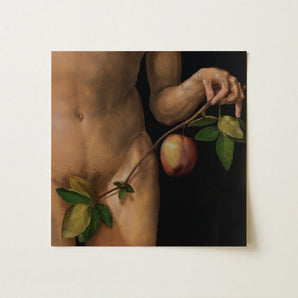
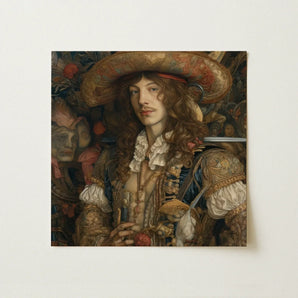
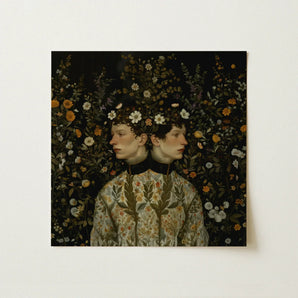
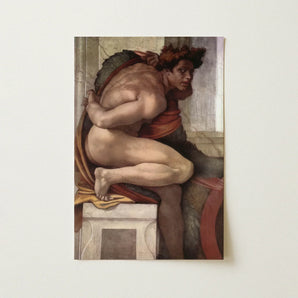
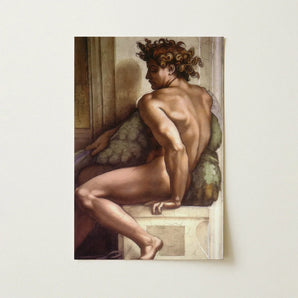
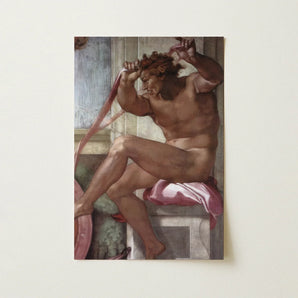
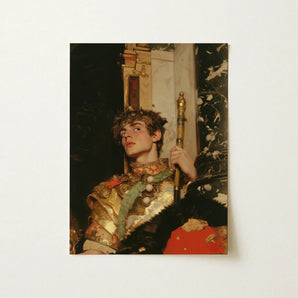
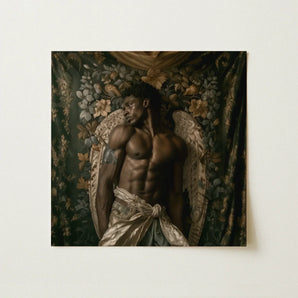
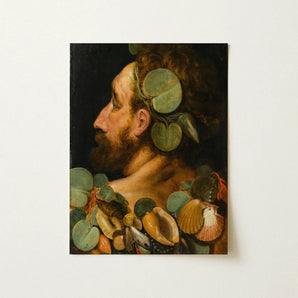
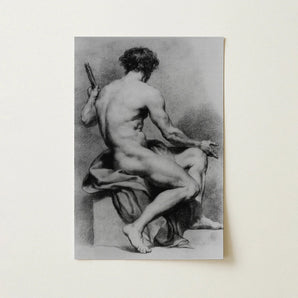
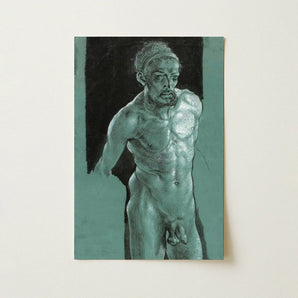
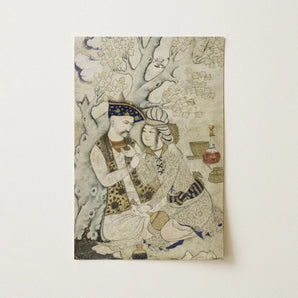
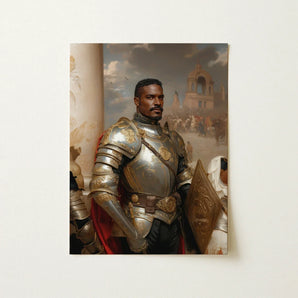
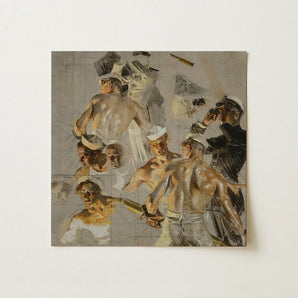
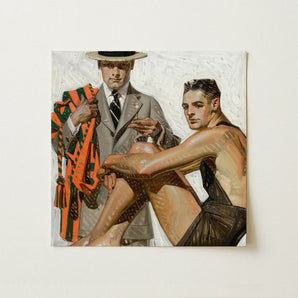
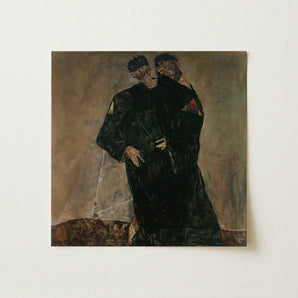
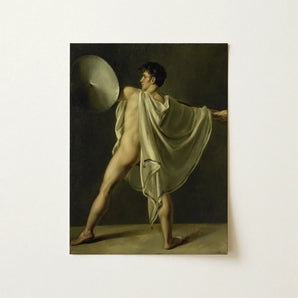
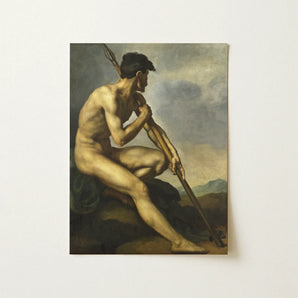
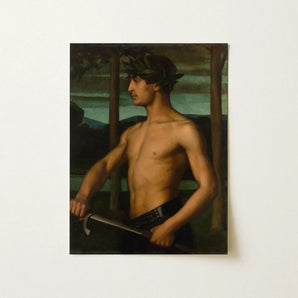
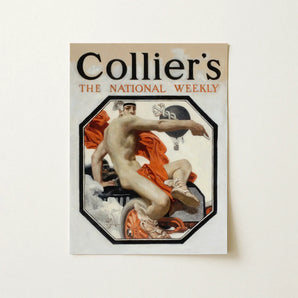
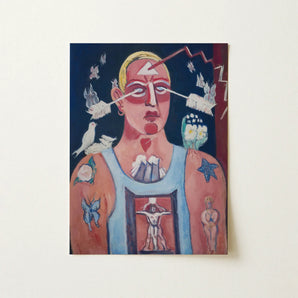
Deze gay renaissancekunst verzamelt queer toestemming en hangt die aan je muur. Elke fine art print draagt de geladen dubbelzinnigheid die Vasari's biografieën half bekenden en begroeven: patronage als hofmakerij, sfumato als verhulling, het naakte mannelijke lichaam als argument. Eén gay renaissance-schilderij op groot formaat wordt een aanschouwelijk voorbeeld van lichamen die ooit toestemming kregen om meer dan één ding tegelijk te betekenen.

Veelgestelde vragen

Over deze collectie

Michelangelo sneed het verlangen in marmer; Donatello wierp een bronzen jongeling wiens tedere houding critici verdeeld; Botticelli drapeerde neoplatonische idealen over lichamen die zich niet makkelijk laten categoriseren. Quattrocento Florence bouwde zijn humanistische project op de bestudeerde, afgemeten en aanbeden mannelijke vorm – werkplaatsen waar leerlingen model stonden voor meesters die in de klassieke oudheid toestemming vonden om te kijken waar de kerk niet tegen kon.

Wetenschap en gebrek waren hier nooit gescheiden; Leonardo's anatomische tekeningen en zijn privéleven delen één hand. Deze homoseksuele renaissanceschilderijen herstellen die versmelting en bieden een lijn waarin schoonheid, studie en verlangen naar hetzelfde geslacht hetzelfde brons werpen, dezelfde schetsboeken vullen en dezelfde plafonds bouwen. Breng quattrocento Florence's best bewaarde geheim naar een kamer die is gebouwd om te kijken.

Why does Renaissance art look so homoerotic?

The revival of Classical Antiquity that defined the Renaissance brought Plato's writing on same-sex love back into circulation, and Plato believed love between men was closer to God than its heterosexual counterpart. That renewed interest reshaped how artists painted even sacred subjects — Saint Sebastian shifted from an older, bearded figure in the medieval period to a nude youth whose expression blurs pain and ecstasy from the dawn of the Renaissance onward.

Was Michelangelo gay?

Michelangelo's later years are best documented through his devotion to a young Roman nobleman, Tommaso de' Cavalieri. In a 1532 letter, Michelangelo described Cavalieri as the light of the age, unique in the world, and rather than only writing verse and prose about his feelings, he gave Cavalieri some of the finest drawings he ever produced. These so-called Presentation Drawings were the centerpiece of the British Museum's Michelangelo: The Last Decades exhibition.

How did Renaissance artists hide same-sex desire in their work without being persecuted?

Because sodomy was a criminal offense across Renaissance Italy, artists rarely stated same-sex desire outright — they folded it into subjects that already had cultural cover. Philosophers like Marsilio Ficino reframed Platonic love to defend intense male friendship as spiritual rather than physical, giving painters and sculptors a respectable Neoplatonic language for depicting male beauty. Mythological subjects worked the same way: figures like Ganymede or the mourning Cycnus let an artist stage desire and grief between men inside a story everyone already accepted as classical literature rather than personal confession. The result is a body of Renaissance art where longing hides in plain sight, layered under religious symbolism and myth precisely because it couldn't be shown any other way.

Was Leonardo da Vinci gay?

Leonardo's case is more ambiguous than Michelangelo's or Donatello's. Florentine authorities accused 17,000 men of sodomy over four decades in the 15th century, and Leonardo da Vinci was among them. His decades-long relationship with his apprentice Salaì fuels much of the modern queer reading of his life, though some historians argue his documented lack of interest in physical intimacy points toward an asexual or demisexual identity rather than a straightforwardly gay one.

Why is Saint Sebastian considered a gay icon in Renaissance painting?

Saint Sebastian's transformation from an older, clothed martyr into a nude, arrow-pierced youth tracks directly with the Renaissance's classical revival. Renaissance depictions show him nude, his chest full of arrows, with an expression that walks the line between pain and ecstasy — an image later artists like Guido Reni and Bronzino returned to repeatedly, cementing the saint as one of art history's most enduring homoerotic figures.

What was Florence's "Office of the Night" and how did it target gay Renaissance artists?

The Office of the Night was a civic body Florence created specifically to police sodomy. In Florence alone, roughly 17,000 men were formally accused of sodomy in the late fifteenth century — a figure historian Michael Rocke notes meant close to two-thirds of adult men were implicated by age 40. Leonardo himself was accused under this system in 1476, though the anonymous complaint led to the charges being dropped.